Beijing vs Shanghai: Which City Is Right for Your Teaching Career?
Deciding between Beijing and Shanghai for your teaching career? Compare cost of living, international schools, lifestyle, climate, and career opportunities in China's two premier cities.
TL;DR
Shanghai: more international, larger expat community, better air quality, humid climate, higher rent. Beijing: more traditional Chinese culture, tighter expat community, worse air quality in winter, four distinct seasons. Salaries comparable. Shanghai has more schools; Beijing feels more authentically Chinese. Both excellent for teachers.
Beijing vs Shanghai: Which City Is Right for Your Teaching Career?
China's two largest cities both offer incredible opportunities for international teachers, but they're remarkably different in character, lifestyle, and daily experience. Choosing between them is one of the most significant decisions you'll make in planning your China teaching adventure. Neither city is objectively better—the right choice depends entirely on what you value and what kind of experience you want.
How Do These Cities Differ in Character?
Beijing feels like the heart of China—historical, political, and deeply rooted in Chinese culture and tradition [1]. With a population of 21 million people, it's massive but somehow maintains a sense of gravitas that comes from being the capital for centuries. The city spreads out across a vast plain, with wide boulevards, traditional hutong alleyways, and imperial architecture alongside modern development.
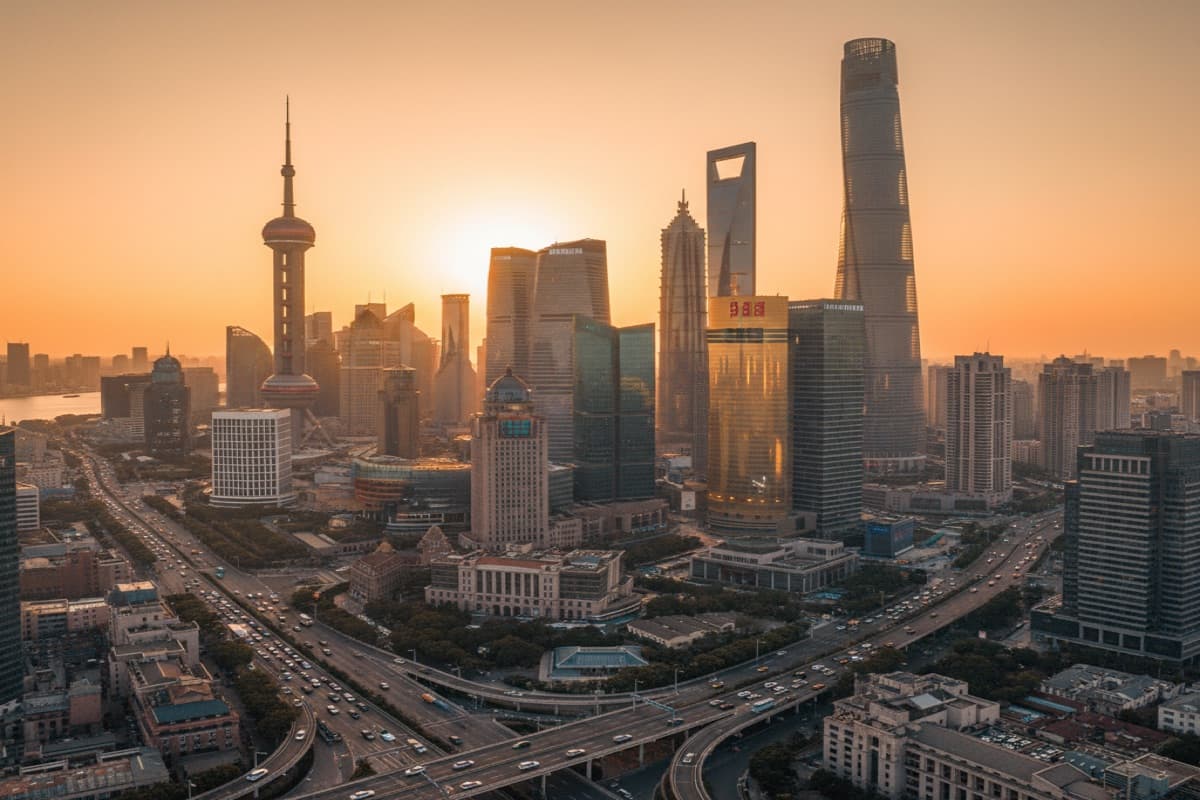
Shanghai, by contrast, feels cosmopolitan and international in a way that can almost make you forget you're in China [1]. Its 26 million residents live in a more compact, vertically oriented city that pulses with commercial energy. The waterfront Bund showcases colonial European architecture while across the river, Pudong's futuristic skyline demonstrates China's modern ambitions. Shanghai has been an international crossroads for over a century, and that heritage shapes its character today.
What Teaching Opportunities Exist in Each City?
Beijing hosts over 100 international schools with a strong presence of embassy-affiliated institutions serving diplomatic communities [2]. Prestigious schools cluster in the Shunyi district northeast of the city center. You'll find strong IB and British curriculum options alongside American system schools. Government-affiliated bilingual schools are also prevalent. Notable institutions include Western Academy of Beijing, Dulwich College Beijing, International School of Beijing, and British School of Beijing.
Shanghai offers the largest concentration of international schools in China with over 120 options [2]. The variety of curricula is remarkable, including IB, AP, British, German, French, and other national systems. More entry-level positions exist here simply due to scale, and the bilingual school sector is robust. Top schools include Shanghai American School, Concordia International School, Shanghai Community International School, and Wellington College International Shanghai.
Salaries are roughly comparable between cities. Entry-level teachers typically earn 180,000 to 280,000 yuan annually. Experienced teachers command 280,000 to 400,000 yuan. Leadership positions pay 400,000 to 700,000 yuan or more. Shanghai housing allowances tend to be slightly higher to offset the somewhat higher cost of living.
How Does Cost of Living Compare?
Housing costs differ meaningfully between the cities [1]. In Beijing, a one-bedroom apartment runs roughly 3,500 to 6,500 yuan monthly, with popular expat areas including Chaoyang, Shunyi, and Dongcheng. You can find more space for your money in areas beyond the central districts. In Shanghai, expect to pay 4,000 to 8,000 yuan monthly for a one-bedroom, with desirable areas like Jing'an, the Former French Concession, and Pudong commanding premium prices.
Daily expenses feel similar between cities. A local meal costs 20 to 40 yuan while Western restaurant dinners run 100 to 200 yuan. Metro rides cost 3 to 8 yuan. Coffee at Western-style cafes runs 25 to 40 yuan. Gym memberships range from 200 to 500 yuan monthly. Shanghai offers more expensive imported goods and has pricier nightlife options at the high end, but living affordably is equally possible in both cities.
What Is Daily Life Like in Beijing?
Beijing offers unparalleled access to Chinese history and culture [1]. The Forbidden City, Temple of Heaven, and Summer Palace provide windows into imperial China. The Great Wall is close enough for day trips to less-crowded sections like Mutianyu or Jinshanling. Traditional hutong neighborhoods preserve old Beijing's character with courtyard houses, street life, and neighborhood commerce.
The art scene thrives in districts like 798 Art Zone, while underground music venues and avant-garde galleries provide cultural edge. Northern Chinese cuisine dominates, with Peking duck as the signature dish alongside hearty noodles, dumplings, and street foods. The expat community feels smaller and more tight-knit than Shanghai's, which some teachers prefer for building close friendships.
Practically speaking, Beijing spreads out enormously, and commutes can be long even with an excellent metro system [1]. The city connects well to northern China destinations like Xi'an, Harbin, and Inner Mongolia. If you love history, traditional culture, and want deep immersion in Chinese life, Beijing delivers.
What Is Daily Life Like in Shanghai?
Shanghai excels at contemporary cosmopolitan living [1]. The food scene is world-class with outstanding restaurants spanning every international cuisine alongside excellent regional Chinese options. Nightlife rivals any global city, from rooftop bars with Pudong views to underground clubs and live music venues. Shopping ranges from luxury malls to vintage markets in the French Concession.
The architectural landscape blends Art Deco buildings from the 1920s and 30s with traditional lane houses and gleaming modern towers. Neighborhoods like the Former French Concession feel almost European with tree-lined streets and sidewalk cafes. The international influence from Shanghai's trading port history remains palpable.
The city feels more compact than Beijing, with easier navigation and typically shorter commutes. Two airports make travel convenient, with Hongqiao particularly useful for domestic flights and high-speed rail connections. Southeast Asia destinations are just a few hours away. The larger, more diverse expat community means more variety in social options but potentially less intimacy in friendships.
How Does Climate Affect Your Choice?
Beijing experiences four distinct seasons with cold, dry winters from December through February when temperatures drop to negative 10 degrees Celsius [1]. Winters require serious heating, which buildings provide through central systems. Spring brings warming temperatures but also dust from northern deserts. Summer gets hot and humid with temperatures reaching 35 degrees. Autumn from September through November offers beautiful clear weather and is universally considered the best time to enjoy Beijing.
Shanghai's climate differs significantly. Winters from December through February are cold and damp, with temperatures hovering between zero and 10 degrees Celsius, but most buildings lack central heating [1]. The penetrating damp cold can feel more uncomfortable indoors than Beijing's colder but dry and heated winters. Spring is rainy, summer brings oppressive humidity with temperatures reaching 40 degrees, and autumn provides pleasant relief. Air conditioning is essential for summer survival.
What About Air Quality?
Air quality often becomes a deciding factor for teachers weighing these cities [2]. Beijing experiences more severe pollution episodes, especially during winter months when heating systems increase emissions. The city has improved dramatically in recent years, but AQI readings still regularly fall between 50 and 150 with occasional spikes above 200. Bad air days require mask-wearing outdoors and limiting exercise.
Shanghai generally enjoys better air quality thanks to coastal winds that help clear pollution [2]. AQI typically ranges from 40 to 100 with fewer severe episodes. The difference isn't dramatic enough to guarantee good air in Shanghai or constant bad air in Beijing, but over a year, you'll experience noticeably more comfortable breathing days in Shanghai. Air purifiers remain essential in both cities.
Which City Fits Your Personality?
Choose Beijing if you want to experience the cultural heart of China and feel truly immersed in Chinese civilization. If you love history, traditional architecture, and cultural sites, Beijing offers unmatched richness. A smaller, tighter expat community appeals to you, and you plan to seriously study Mandarin in an environment where you'll hear it everywhere. You want easy access to northern China destinations and can handle cold winters and variable air quality [1].
Choose Shanghai if you prefer cosmopolitan international living with world-class food, entertainment, and modern amenities. A larger, more diverse expat community provides abundant social options. Better air quality and milder winters matter to you, even if summer humidity is oppressive. Easy travel access to Southeast Asia and southern China fits your exploration plans. Walkable neighborhoods with diverse entertainment appeal more than sprawling traditional grandeur [1].
Are There Other Cities Worth Considering?
If neither Beijing nor Shanghai feels quite right, other cities offer compelling alternatives [2]. Shenzhen provides a young, tech-focused environment with proximity to Hong Kong and year-round warm weather. Guangzhou offers Cantonese culture, exceptional food, and a thriving international school sector. Hangzhou combines natural beauty with a growing tech scene and proximity to Shanghai. Chengdu provides a laid-back lifestyle, beloved food culture, panda access, and lower costs.
What Should You Ultimately Decide?
There's no wrong choice between Beijing and Shanghai. Both cities offer exceptional teaching opportunities, fascinating experiences, and the chance to grow personally and professionally. Beijing immerses you in Chinese history and culture with a sense of participating in something ancient and profound. Shanghai provides a cosmopolitan launchpad that feels modern and connected to global culture.
Many teachers start in one city and later transfer to the other for a different experience. Both will shape your understanding of China, education, and yourself in profound ways. Trust your instincts about which lifestyle appeals more, gather as much information as you can from teachers currently in each city, and then commit fully to whichever path you choose.
Frequently Asked Questions
Is it better to teach in Beijing or Shanghai?
Neither is objectively better. Beijing offers deeper Chinese cultural immersion, historical sites, and a close-knit expat community. Shanghai is more international, has better air quality, more diverse nightlife, and feels more cosmopolitan. Choose based on your priorities.
Which city has better teaching salaries - Beijing or Shanghai?
Salaries are comparable: entry-level ¥180,000-280,000, experienced ¥280,000-400,000, leadership ¥400,000-700,000+. Shanghai housing allowances may be slightly higher to offset cost of living differences.
Which city has better air quality - Beijing or Shanghai?
Shanghai generally has better air quality due to coastal winds (AQI typically 40-100). Beijing has improved significantly but still experiences worse pollution, especially in winter (AQI regularly 50-150 with occasional spikes). Both cities require air purifiers at home.
Related Articles
Sources & References
- Living in China: Beijing vs Shanghairesearch— InterNations
- International Schools in Chinawebsite— International Schools Database
- China Air Quality Indexresearch— IQAir
Click citation numbers like [1] in the article to jump to references.
Ready to Start Your Teaching Journey in China?
Explore teaching opportunities and find your perfect match in China.
Loading...