Cultural Differences in the Classroom: What International Teachers Should Know
Understanding Chinese education culture is key to success in your classroom. Learn the expectations, communication styles, and classroom management approaches that work in China.
TL;DR
Chinese classrooms emphasize academic excellence and test preparation. Students show respect through quietness rather than participation. Use WeChat for parent communication with regular photo updates. Build class participation gradually using think-pair-share. Understand "face" culture and avoid public criticism.
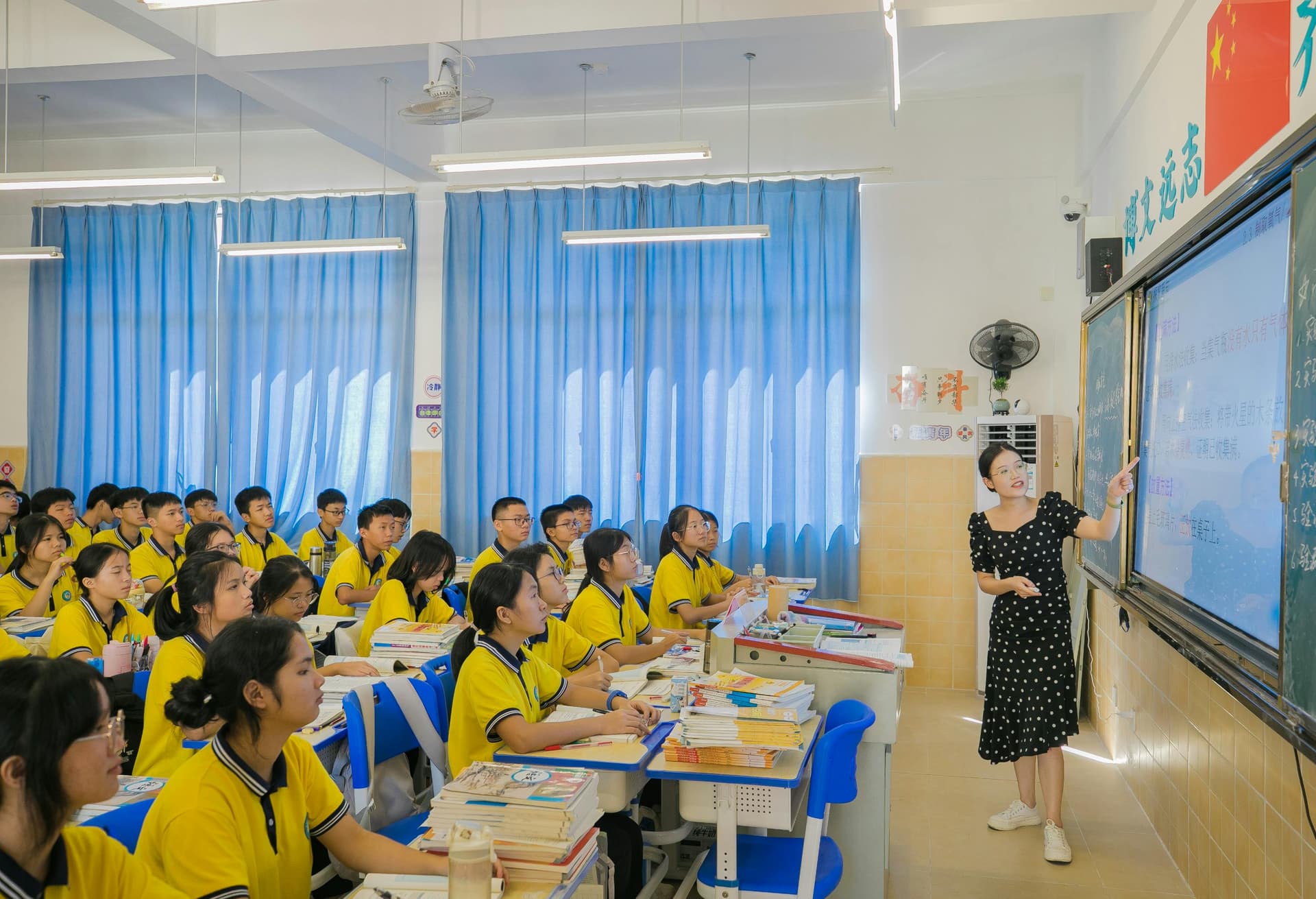
Cultural Differences in the Classroom: What International Teachers Should Know
Teaching in China is incredibly rewarding, but it comes with cultural dynamics that differ significantly from Western classrooms. Understanding these differences isn't just helpful—it's essential for your success and for building strong relationships with your students, their parents, and your colleagues.
How Does Chinese Education Philosophy Differ from Western Approaches?
Chinese education culture places enormous emphasis on academic achievement, and this shapes everything about how students learn and how parents engage with schools [1]. Test scores matter deeply in China, far more than in most Western educational systems. Students are evaluated primarily through examinations, and their results determine not just their grades but often their entire future trajectory.
Traditional Chinese education relies heavily on memorization and repetition, methods that many Western educators initially find at odds with their training in critical thinking and creativity. Chinese students are accustomed to significant homework loads and many attend after-school tutoring programs that can extend their study day well into the evening. As an international teacher, you may bring more creative, student-centered approaches, and these are valued. But understanding that parents expect academic rigor alongside creativity will help you navigate expectations.
The legacy of China's one-child policy also affects classroom dynamics in ways you should understand [2]. Though the policy has been relaxed, many of your students are only children whose parents have invested heavily, both emotionally and financially, in their education. Students may be unused to sharing attention or collaborating in groups. High parental expectations and involvement are the norm, not the exception.
Why Are Chinese Students Often Quiet in Class?
Don't be surprised if your students are initially quieter than you expect. This doesn't mean they're disengaged or that your teaching isn't working. Chinese classroom culture emphasizes respect for teachers as authority figures, and students generally won't question or challenge teachers openly. Students call you "Teacher" followed by your name rather than Mr. or Ms., reflecting this respect.
The concept of "face" profoundly influences student participation [1]. Students often avoid speaking up because they fear being wrong publicly, which would cause them to lose face. They also tend to prefer thinking carefully before answering rather than volunteering quick responses. The cultural value of group harmony means students may defer to others rather than stand out, even when they know the answer.
Effective strategies for encouraging participation include giving think-time before calling on students and using pair or small-group discussions before whole-class sharing. Celebrating mistakes as learning opportunities gradually builds a classroom culture where students feel safer taking risks. Building this safe environment takes time and consistency, but students do eventually open up when they trust that you won't embarrass them.
How Should You Communicate with Chinese Parents?
In China, parent communication happens primarily through WeChat, and the expectations are intense by Western standards [2]. Parents expect replies within 24 hours, sometimes sooner. They want regular photo and video updates showing student work and classroom activities. Most schools have class WeChat groups with all parents, and you should expect direct messages from parents during evenings and weekends.
Communication style differs from Western norms in important ways. Parents may not directly criticize you or your methods, but they will hint at concerns indirectly. Learning to read between the lines is an essential skill. Remember that parents pay premium tuition and expect premium results, which means detailed updates about their child's progress, behavior, and social interactions are not optional—they're expected.
Parent-teacher conferences require careful preparation. Always start with specific praise for the student before addressing any concerns. Frame problems as opportunities for growth rather than deficits. Come prepared with student work samples and assessment data. Most importantly, don't just identify issues—suggest actionable steps for improvement. Following up with a summary message after meetings shows professionalism and builds trust.
What Teaching Adjustments Work Best?
Clear learning objectives work exceptionally well in Chinese classrooms. Students want to know exactly what they're learning and why. Structured activities with clear instructions and organization help students feel secure and focused. Visual aids, PowerPoint presentations, and demonstrations are highly effective, as Chinese students are often more comfortable with visual learning than verbal discussion.
Some approaches common in Western classrooms may need adjustment. Open-ended questions often need scaffolding because Chinese students frequently expect one "right" answer. Creative projects work better when introduced gradually, as students may be unfamiliar with open-ended creativity and uncertain about what's expected. Critical thinking should be built explicitly as a skill since it's less emphasized in traditional Chinese education. Self-directed learning requires modeling and practice because students typically expect more teacher guidance than Western students do.
What Chinese Holidays Should You Know About?
Chinese New Year, called Chūnjié in Mandarin, is the biggest holiday of the year and typically falls in late January or early February with a two-week school break [1]. National Day on October 1st brings a week-long holiday. Mid-Autumn Festival, usually in September, is a family-centered holiday featuring moon cakes and lanterns. Dragon Boat Festival in June celebrates with rice dumplings called zòngzi and dragon boat races.
Incorporating these celebrations into your curriculum shows cultural respect and engages students. Be aware that students may travel during holidays and return tired or distracted. Avoid scheduling major assessments right after breaks when students are still readjusting to school routines.
What Is the Gaokao and Why Does It Matter?
Understanding the gaokao, China's university entrance examination, helps contextualize the stress you'll observe in students and parents [1]. This single test, taken after 12 years of schooling, determines university placement and, by extension, career prospects and social standing. The pressure is immense, and it influences parenting and education priorities from early childhood onward.
Even in international schools where students may not take the gaokao, this cultural context affects expectations. Parents want their children to be competitive whether they pursue Chinese or international university pathways. Academic achievement remains paramount even when the specific examination differs.
How Can You Build Cross-Cultural Bridges?
Learning even basic Chinese phrases shows respect and builds rapport with students and parents. Simple classroom phrases like qǐng zuò for "please sit down" and zuò de hǎo for "well done" genuinely delight students. They appreciate the effort even when your pronunciation isn't perfect, and trying shows you value their culture.
Understanding the concept of "face," called miànzi in Chinese, is essential for effective teaching [1]. Never criticize students publicly, as this causes loss of face. Praise achievements publicly to build face. Handle conflicts in private, one-on-one conversations rather than in front of peers. Be indirect with criticism, suggesting improvements rather than pointing out failures.
Creating a classroom that honors both Western and Chinese values enriches everyone's experience. Display both Chinese and Western holidays. Incorporate texts from both traditions. Celebrate diverse perspectives while modeling intercultural respect. Your classroom can become a space where students learn to navigate between cultures, a skill that will serve them throughout their lives.
What Challenges Should You Anticipate?
When students won't speak up in class, use think-pair-share structures, allow written responses before oral sharing, and create many low-stakes speaking opportunities. When parents seem over-involved in homework, set clear expectations about independent work and communicate your pedagogical approach explicitly. When students focus on grades over genuine learning, emphasize growth mindset principles, celebrate effort and progress, and design intrinsically motivating learning experiences.
Large class sizes in some schools require efficient routines, strategic use of small group work, and leveraging student leaders. These challenges are real but manageable with the right approaches and realistic expectations.
What Makes This Experience So Rewarding?
Teaching in China means honoring traditional educational values while bringing your own pedagogical expertise. The best international teachers find the balance—maintaining academic rigor while fostering creativity, respecting cultural norms while encouraging critical thinking. Your students will challenge you, inspire you, and teach you as much as you teach them.
The cultural exchange that happens in your classroom is what makes international teaching so profoundly meaningful. You're not just teaching content; you're building bridges between worlds and helping students become global citizens. Embrace this opportunity fully, and you'll find it transforms not just your teaching but your understanding of education itself.
Frequently Asked Questions
Why are Chinese students quiet in class?
Chinese students often avoid speaking up due to fear of losing face (making mistakes publicly), preference for thinking before answering, and traditional teacher-centered education. Use strategies like think-pair-share and written responses to encourage participation.
How should I communicate with Chinese parents?
Use WeChat as the primary channel, respond within 24 hours, share regular photo/video updates of student work, and maintain a professional, formal tone. Parents expect detailed progress updates and specific feedback.
What is face culture and why does it matter?
Face (面子) relates to social standing and reputation. Never criticize students publicly, handle conflicts privately, praise achievements openly, and be indirect with criticism. Understanding face is essential for effective teaching in China.
Related Articles
Sources & References
- Understanding Chinese Education Cultureresearch— Asia Society
- Cross-Cultural Communication in Educationresearch— Edutopia
- The Role of Face in Chinese Cultureresearch— Harvard Business Review
Click citation numbers like [1] in the article to jump to references.
Ready to Start Your Teaching Journey in China?
Explore teaching opportunities and find your perfect match in China.
Loading...