Health Insurance & Healthcare in China: Essential Guide for Expat Teachers
Navigate China's healthcare system with confidence. Learn about health insurance options, international clinics, emergency care, and staying healthy as an expat teacher.
TL;DR
Most schools provide health insurance - understand your coverage and in-network clinics. International clinics (United Family, Parkway) offer English-speaking care but cost more. Local VIP departments are a good middle ground. Monitor air quality daily, invest in air purifiers, and don't drink tap water. Bring 3-6 months of prescription medications.
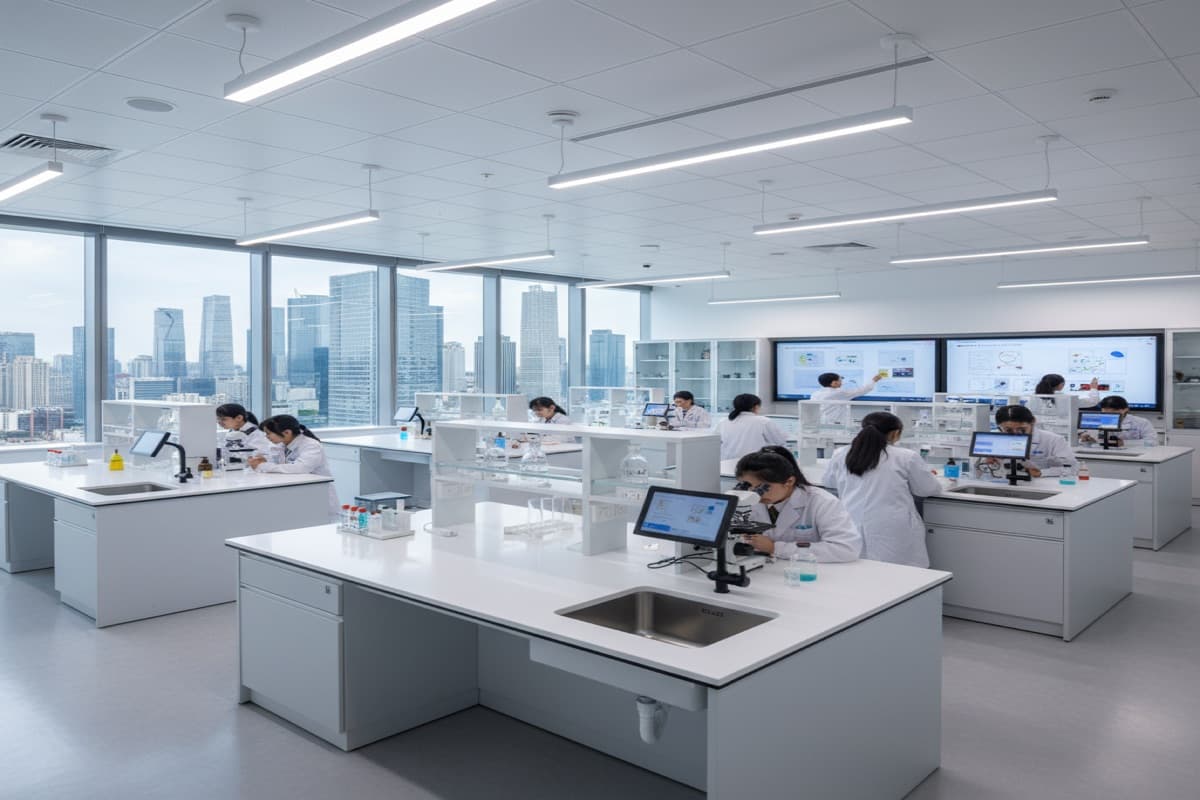
Health Insurance and Healthcare in China for Expat Teachers
Access to quality healthcare is essential for peace of mind while teaching abroad, and China offers excellent medical facilities once you understand how to navigate the system. The healthcare landscape here differs significantly from Western countries, but with the right knowledge and preparation, you'll find that maintaining your health in China is entirely manageable.
What Health Insurance Will Your School Provide?
Most international schools include health insurance as part of your benefits package, though coverage levels vary significantly between institutions [1]. Typical school-provided insurance covers outpatient visits, hospitalization, and emergencies, with some plans also including dental care. Coverage usually works within a network of approved clinics and hospitals, with annual limits commonly ranging from 500,000 to 2,000,000 yuan depending on the plan.
Before you arrive, ask your school specific questions about your coverage. What services are included and what are the limits? Which hospitals and clinics are in-network? What is the claims process—direct billing or reimbursement? Are pre-existing conditions covered? Does the coverage extend during summer travel outside China? Understanding your insurance before you need it prevents unpleasant surprises during stressful moments.
Should You Consider Private International Insurance?
Some teachers supplement their school insurance or replace it entirely with private international plans from providers like Cigna Global, BUPA Global, Allianz Care, or AXA [1]. Pacific Prime specializes in brokering expat insurance in China and can help compare options. These plans typically cost between $2,000 and $8,000 annually depending on coverage level, your age, and pre-existing conditions.
Private insurance makes sense if your school plan has significant gaps, if you have specific medical needs requiring specialist coverage, or if you want the flexibility to access any medical facility without network restrictions. Many teachers find their school coverage sufficient for routine needs but appreciate supplemental coverage for peace of mind.
What Types of Medical Facilities Are Available?
International clinics represent the most comfortable option for most expats [2]. Facilities like United Family Healthcare and Parkway Health offer English-speaking staff, often Western-trained doctors, direct insurance billing without upfront payment, and comfortable familiar environments. The trade-off is higher prices, with consultations typically costing 800 to 1,500 yuan or more. For routine visits and non-emergency care, these clinics provide excellent service with minimal communication barriers.
Many major Chinese public hospitals now have VIP or international departments that offer a middle ground [2]. You'll find English support available, better facilities than general departments, and access to specialists who may be the best in their fields. Prices run lower than international clinics at around 300 to 800 yuan per consultation. For non-urgent care when you want quality specialists at moderate prices, these departments are excellent options.
Local Chinese hospitals provide very affordable care with consultations costing as little as 20 to 100 yuan. However, expect long waits, limited English support, and crowded conditions. If you have Chinese language skills or can bring a translator, local hospitals offer access to some of China's most experienced doctors at a fraction of international prices. Some of the best specialists in the country work in public hospitals.
How Do Pharmacies Work in China?
Pharmacies, marked with the characters 药店, are everywhere in Chinese cities [1]. Many medications that require prescriptions in Western countries are available over the counter here. Pharmacists can often recommend treatments for common ailments even with limited English. Bring photos or Chinese names of any medications you regularly use. Western brands are increasingly available in major cities, and online pharmacies through JD Health and Alibaba Health offer convenient delivery.
What Should You Do in a Medical Emergency?
For emergencies, call 120 for an ambulance. If possible, call your insurance company's hotline first since they can direct you to appropriate facilities and begin coordinating coverage [1]. For serious emergencies, go directly to the nearest hospital emergency room without worrying about network status—your insurance will sort out coverage later. Always bring your passport, insurance card, and cash as some facilities require upfront payment.
Before an emergency happens, research the nearest quality hospitals to your home and workplace. Know whether international clinics or VIP departments are options for your location. For true life-threatening emergencies, any hospital is the right choice. For urgent but not life-threatening situations, directing yourself to an international clinic or VIP department will provide a smoother experience.
What Health Concerns Are Specific to Living in China?
Air quality is a reality of life in Chinese cities that requires active management [2]. Monitor the Air Quality Index daily through apps like AirVisual or IQAir. Invest in a quality air purifier for your apartment—this is essential, not optional. On days when the AQI exceeds 150, wear an N95 or KN95 rated mask outdoors and limit strenuous exercise. Most days in Shanghai and other coastal cities are acceptable, but Beijing and inland cities experience more frequent poor air quality days, especially in winter.
Water safety requires simple precautions. Never drink tap water directly—use bottled or filtered water for drinking [1]. Street food is generally safe and often delicious, especially from busy stalls with high turnover, but use common sense about food freshness. Wash fruits and vegetables before eating, or buy pre-washed produce. Ice in established restaurants is typically safe since it's usually made from purified water.
Mental health deserves attention that expats sometimes neglect. Culture shock is normal and typically peaks around two to three months after arrival [2]. International clinics have English-speaking counselors and therapists available. Online therapy platforms like BetterHelp work with a VPN if you prefer that option. Building a strong social support network through your school community and expat groups provides essential emotional resilience.
What Preventive Care Should You Prioritize?
Annual health checks are widely available and often subsidized by schools. Keeping vaccinations up to date is important, with Hepatitis A and B vaccinations recommended for living in China [1]. Dental care at international dental clinics is often more affordable than in Western countries while maintaining high quality. Eye care including glasses and contacts is remarkably inexpensive in China with excellent opticians available.
Maintaining an exercise routine supports both physical and mental health. Gyms range from international chains to local facilities, with memberships running 200 to 500 yuan monthly. Parks offer morning tai chi groups, evening dancing, and running tracks. Sports leagues for ultimate frisbee, soccer, and basketball are popular with expats and provide both exercise and social connection.
What Medications Should You Bring from Home?
Bring a three to six month supply of any prescription medications you take regularly, along with a doctor's letter explaining your prescriptions [1]. Pack your preferred over-the-counter brands for cold medicine, pain relievers, and other familiar remedies. If you have known allergies, bring your usual antihistamines and any emergency medications you might need.
Keep medications in original packaging with clear labeling. Some medications are controlled in China and may require special documentation, so research any concerns before packing. ADHD medications in particular face restrictions in China—research alternatives or special import procedures if this applies to you.
How Does the Insurance Claims Process Work?
At facilities offering direct billing, simply show your insurance card at reception [1]. The clinic verifies your coverage, and you pay only any non-covered portions such as copays or amounts exceeding your deductible. The clinic bills your insurance directly, making the process seamless from your perspective.
For reimbursement-based claims, you pay the full amount at the facility and collect detailed documentation including official receipts called fāpiào, diagnosis reports, and itemized bills. Submit your claim form with all documents to your insurance provider and wait two to four weeks for reimbursement to process. Always keep copies of everything you submit.
What Is the Bottom Line on Healthcare in China?
China has excellent healthcare options for expats who understand how to access them. International clinics provide familiar comfort and clear communication. VIP hospital departments offer quality care with better value. Local hospitals provide access to top specialists at minimal cost if language isn't a barrier. Pharmacies make many medications conveniently available.
Understand your insurance coverage before you need it. Know your nearest quality facilities. Take preventive measures for air quality and water safety. Build habits that support your physical and mental health. With these foundations in place, you'll find that staying healthy in China is straightforward and even enjoyable. Your health is your most important asset while teaching abroad—protect it wisely.
Frequently Asked Questions
What health insurance do international teachers in China get?
Most schools provide health insurance covering outpatient care, hospitalization, and emergencies. Coverage varies significantly - ask about limits, in-network facilities, and claims process. Some teachers supplement with private international insurance.
Where should expats go for healthcare in China?
International clinics (United Family, Parkway) offer English-speaking staff and direct insurance billing but higher prices. VIP departments in public hospitals offer a middle ground. Local hospitals are affordable but have limited English support.
Is healthcare expensive in China for expats?
It depends on facility type. International clinic consultations cost ¥800-1,500+. VIP departments charge ¥300-800. Local hospitals are very affordable at ¥20-100. Most expenses are covered if you have good insurance and stay in-network.
Related Articles
Sources & References
- Healthcare in China for Expatsresearch— InterNations
- Air Quality and Health in Chinaresearch— World Health Organization
- International SOS China Health Advisorywebsite— International SOS
Click citation numbers like [1] in the article to jump to references.
Ready to Start Your Teaching Journey in China?
Explore teaching opportunities and find your perfect match in China.
Loading...