Planning Your Sabbatical: A Teacher's Guide to Extended Travel
Teaching offers something few professions provide: natural breaks that make extended travel possible. Whether you are planning a gap year between positions, a summer adventure, or a full sabbatical, here is how to make it happen.
TL;DR
Teaching offers natural breaks perfect for extended travel. Plan 6-12 months ahead financially (save 3-6 months expenses + travel budget). Consider gap years between contracts, maximized summers, or formal sabbaticals. Popular routes: Southeast Asia backpacking, South America, Europe. Book one-way flights and stay flexible.
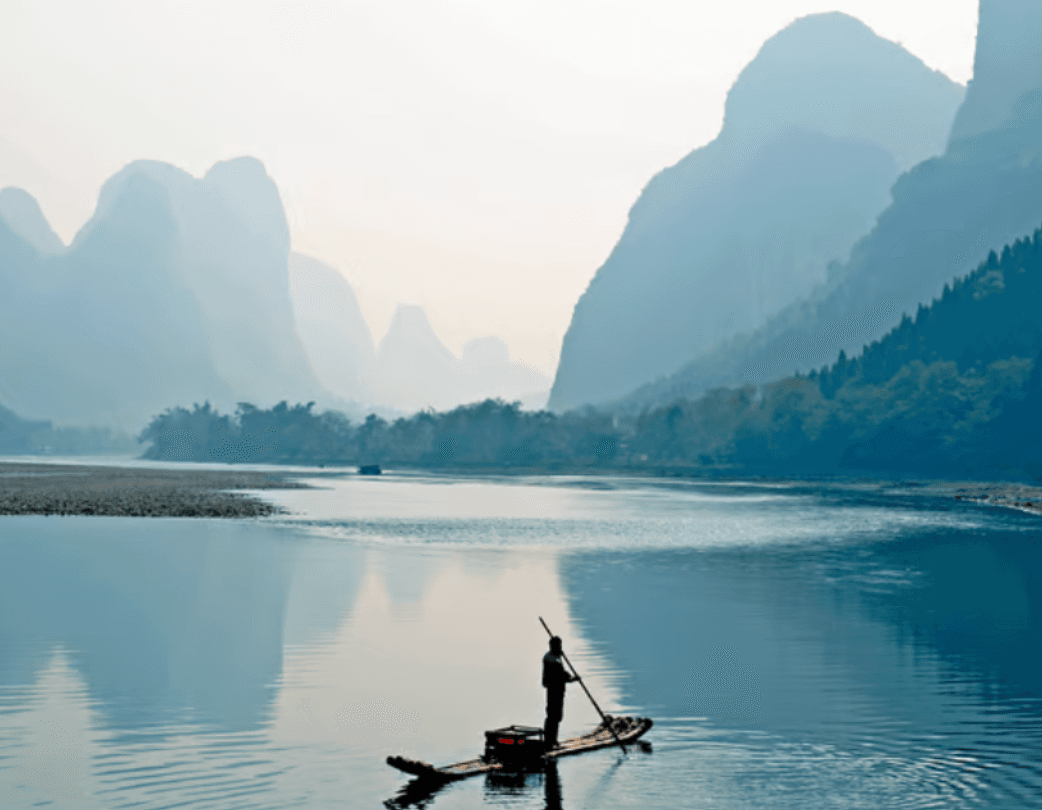
Planning Your Sabbatical: A Teacher's Guide to Extended Travel
The school year ends, you pack up your classroom, and suddenly the calendar stretches open before you. Two months in summer, perhaps longer if you are between positions or taking a deliberate break. For teachers, this rhythm of intense work followed by genuine freedom creates opportunities for travel that most professionals can only dream about [1].
Yet many teachers spend these precious breaks the same way each year: recovering from exhaustion, handling neglected personal business, and watching weeks slip away until suddenly it is August and time to prepare for another year. The extended travel they imagined remains perpetually in the future, something they will do eventually, when circumstances align more perfectly than they do right now.
This guide is for teachers ready to move from someday to this year. Whether you are contemplating a summer abroad, planning a gap year between positions, or preparing for a true sabbatical, the principles of effective travel planning remain consistent. What changes is scale, not approach.
Why Should Teachers Prioritize Travel?
Distinguishing travel from vacation matters. Vacations provide rest and recovery, valuable purposes that teachers legitimately need. But travel as we are discussing it here serves different functions: exposure to unfamiliar perspectives, challenge to comfortable assumptions, development of capabilities through navigating uncertainty, and accumulation of experiences that enrich both personal life and professional practice [2].
Teachers who have traveled extensively bring something to their classrooms that cannot be replicated through reading or secondhand accounts. When discussing geography, they speak from places they have stood. When teaching history, they reference sites they have visited. When helping students understand different cultures, they draw on relationships they have formed. This experiential authority communicates to students in ways that textbook knowledge cannot match [1].
Beyond classroom applications, extended travel develops capabilities that serve teachers in any context. Navigating unfamiliar situations builds adaptability. Communicating across language barriers develops patience and creativity. Managing the practical challenges of travel, from budgeting to logistics to problem-solving, exercises skills that transfer directly to professional responsibilities [2].
Teaching offers structural advantages for travel that other professions lack. The academic calendar creates predictable extended breaks. Many destinations have lower prices and smaller crowds outside the summer peak season, and teachers with flexibility about exactly when they travel can exploit these conditions. International teachers positioned in Asia can access dozens of countries within a few hours of flight time, with regional budget airlines offering fares that make weekend trips to neighboring countries economically feasible.
What Types of Extended Travel Can Teachers Pursue?
Most teachers have at least six weeks of summer break, often eight or more. With intentional planning, this provides time for meaningful travel that goes beyond the standard two-week vacation. A maximized summer might dedicate the first two weeks to recovery and preparation, weeks three through seven to primary travel, and the final week to return and transition back to teaching mindset [1].
Transitioning between teaching positions creates natural opportunities for even more extended travel. Rather than moving immediately from one school to another, taking a year or significant portion of a year for travel offers experiences that compressed timeframes cannot provide. Financial planning becomes essential since most teachers will need to save specifically for gap year travel, but international schools often value teachers who have traveled extensively and can bring that experience to their classrooms [2].
Some institutions offer formal sabbatical leave, typically after seven years of service, providing extended time away with some continued compensation and guaranteed return to position. Sabbaticals often come with expectations beyond pure travel, perhaps research, writing, or professional development components. Integrating these with travel plans can enhance both: research that requires visiting archives in multiple countries, writing projects that benefit from varied environments, professional development that involves visiting schools in different contexts [1].
How Should You Plan Your Finances for Extended Travel?
Extended travel costs more than daily expenses multiplied by days traveled. Realistic budgeting must account for transportation between regions, accommodation at varying price points, food costs that range from minimal street food in Southeast Asia to significant restaurant bills in Western Europe, activities and entrance fees, comprehensive travel insurance, ongoing obligations like rent or loan payments, and a buffer of at least twenty percent above calculated expenses [2].
Your money stretches vastly differently depending on where you travel. A month in Southeast Asia might cost what two weeks in Western Europe costs. As a rough guide for mid-range solo travelers, Southeast Asia runs forty to eighty dollars daily, Eastern Europe sixty to one hundred dollars, Western Europe one hundred to one hundred eighty dollars, and Japan eighty to one hundred fifty dollars with smart planning [1].
Building a travel fund requires the same discipline as any financial goal: spend less than you earn and direct the difference toward your objective. Automatic transfers to a dedicated travel savings account ensure consistency. Housing cost reduction through roommates or smaller spaces frees up significant funds. Supplemental income through tutoring, summer programs, or curriculum writing can accelerate savings without career disruption [2].
How Do You Design an Effective Itinerary?
With unlimited time and money, anywhere is possible. With constraints that everyone has, choices must be made. Consider factors beyond just what sounds interesting: seasonal weather patterns, visa requirements that may require advance preparation, health considerations including required vaccinations, safety conditions you can research through government travel advisories, and connectivity needs if you must maintain any work or personal obligations during travel [1].
Extended travel itineraries typically fall somewhere on a spectrum between fully planned and completely spontaneous. Neither extreme works well for most people. Over-planning reduces flexibility and creates pressure to maintain schedule regardless of circumstances. Under-planning leads to wasted time on logistics and decision fatigue. A balanced approach includes fixed elements like major transportation and first-night accommodation, flexible elements like specific daily activities, and contingency plans for when circumstances change [2].
One of the most common mistakes in extended travel is moving too fast. The temptation to see everything leads to superficial experiences everywhere and exhaustion that diminishes enjoyment. Better to spend meaningful time in fewer places than to race through many places checking items off a list. Plan to spend at least three nights in most destinations, a week or more in places warranting deeper exploration, and build in rest days without planned activities [1].
What Practical Logistics Must You Handle?
Visit a travel medicine clinic well before departure, six to eight weeks minimum for destinations requiring vaccinations. Specialists in travel health can advise on required and recommended vaccinations, malaria prophylaxis if traveling to affected regions, and what to bring in a travel health kit. If you take prescription medications, bring supplies for your entire trip plus buffer and obtain documentation for border crossings [2].
Passport validity requirements vary by destination, with many countries requiring six months validity beyond your planned stay. Make multiple copies of important documents and store digital versions accessible online. Research visa requirements thoroughly, as visa-free entry, visa on arrival, and e-visa options vary by passport nationality and destination country [1].
Extended travel requires sophisticated money management. Carry at minimum two debit cards and two credit cards from different issuers as backup. Inform all financial institutions of your travel plans to prevent fraud holds on unexpected foreign charges. Research cards designed for international travel to minimize foreign transaction fees and ATM surcharges. Always maintain accessible emergency funds beyond your travel budget [2].
How Do You Stay Healthy and Avoid Burnout During Extended Travel?
Extended travel can become exhausting rather than enriching without active energy management. Build in rest days with no planned activities, no transportation, no tourist sites. Allow yourself occasional comfort anchors like nicer accommodation or familiar food when local cuisine overwhelms. If you are feeling exhausted, slow down and stay longer in one place. Your itinerary serves you, not the reverse [1].
The difference between travel that transforms and travel that merely entertains often lies in engagement depth. Conversations with residents, even brief, provide perspective that tourist sites cannot. Rather than rushing to the next attraction, sit in one place and watch public squares, cafes, and markets reveal their rhythm. Say yes to invitations that feel slightly intimidating and try things you would not try at home [2].
Coming home after extended travel often proves more difficult than leaving. The phenomenon of reverse culture shock is well documented: familiar places feel strange, frustration with things previously unnoticed, difficulty connecting with people who have not shared your experiences. Expect this transition, build buffer time before returning to full responsibilities, and actively process experiences through writing or talking with others who have traveled [1].
Travel experiences enrich teaching in multiple ways through direct content like stories and photographs, perspective shifts that inform how you teach diverse students, renewed energy from genuinely refreshing breaks, and modeling lifelong learning for students. Document your travels with eventual classroom use in mind. Your future teaching self will thank your traveling self for this preparation [2].
Extended travel feels impossible until you do it, then it feels inevitable. The teachers who actually take sabbaticals, gap years, or maximized summers are not different from those who just talk about it. They simply decided that someday means this year, and then they did the work to make it real. Start with one concrete action today. Small actions create momentum, and momentum creates results.
Frequently Asked Questions
How do teachers afford sabbatical travel?
Save 20-30% of salary while teaching abroad (lower living costs + no rent if housing provided). Budget 3-6 months living expenses as emergency fund plus travel budget. Many teachers spend ¥50,000-100,000 for 3-6 months of travel.
Will taking a sabbatical hurt my teaching career?
Not usually. International schools understand travel and gap years. Frame it as professional growth - language learning, cultural experiences, volunteer teaching. Be honest in interviews about your time off.
What is the best time to take a teaching sabbatical?
Between contracts is ideal - complete your 2-year commitment, travel during the transition period. Summer breaks can be maximized for 2-3 month trips. Some schools offer formal sabbaticals after 5+ years of service.
Related Articles
Sources & References
- Nomadic Matt Travel Guidewebsite
- Lonely Planet Budget Travelwebsite
Click citation numbers like [1] in the article to jump to references.
Ready to Start Your Teaching Journey in China?
Explore teaching opportunities and find your perfect match in China.
Loading...